

.png)
.png)


Turning Your Old Home Into a Rental? Read This Before You Hand Over the Keys

Updated: Aug 22
It is one of the smartest financial moves a homeowner can make right now. You buy a new home, but instead of selling the starter house, you keep it and rent it out. If you locked in a low interest rate before rates climbed, the math often works beautifully. The rent covers the old mortgage and helps carry the new one, and you build equity in two properties at once.
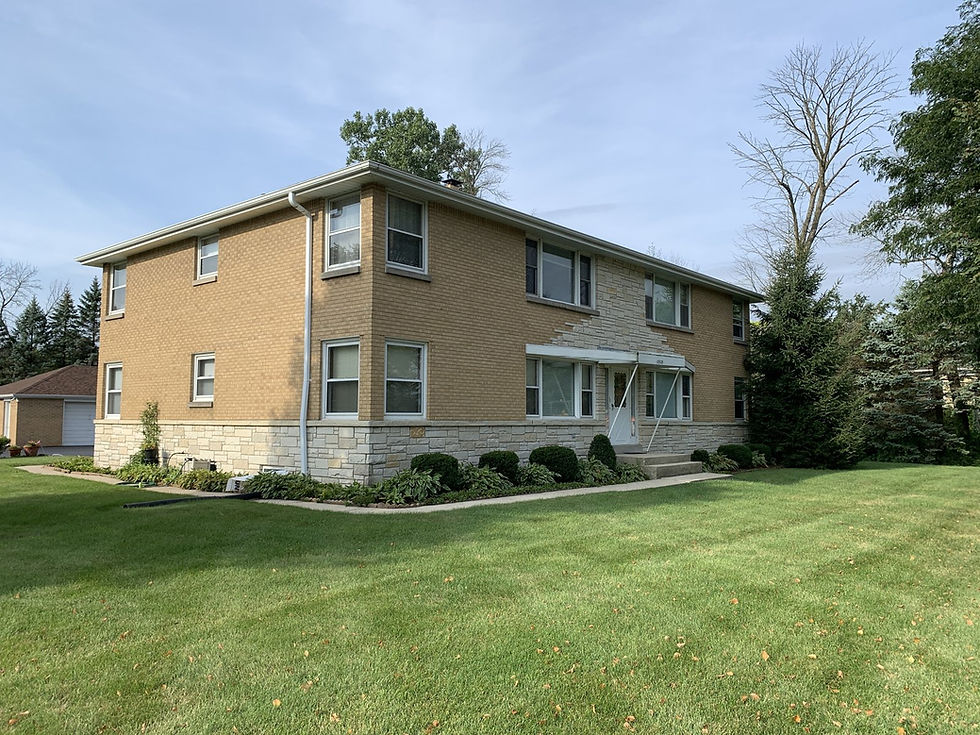
I had this exact conversation with a customer recently. He and his new spouse found a bigger place on a lake in the country, and they are keeping their modest home in Franklin to rent it out. He was smart to call before he did anything, because he asked the one question most people forget: Is my insurance still going to protect me?
The honest answer is that the policy you have today will not do the job once a tenant moves in. Here is what changes, why it matters, and some real cases that show what happens to landlords who get this wrong.

You cannot rent out a home on a homeowners policy
A homeowners policy is built on one assumption: the owner lives in the home. The rates are set for that risk. The liability coverage is written for the named insured and their family, not for a paying tenant.
The moment someone else moves in and pays you rent, that assumption is false. Most homeowners policies contain a change of occupancy or non occupancy clause that suspends or voids coverage once the home is no longer owner occupied, often after just 30 days. That means you can pay your premium faithfully every month and still have no coverage at all when a claim hits, because the policy quietly stopped responding the day the tenant moved in.
The fix is straightforward. We move the home onto a dwelling fire policy, commonly a DP 3 form, also called a landlord policy. It looks similar to a homeowners policy at a glance, but it is priced and written for a rental. It covers the structure, your landlord liability for tenant injuries, and lost rental income if the home becomes uninhabitable after a covered loss. This is an easy change to make, and it needs to happen before the first tenant moves in, not after a claim is denied.
A real case: the fire that was never covered
In December 2022, a landlord in Michigan named Newton Gordon had a fire burn his rented duplex to the ground. It was a total loss. He filed a claim with State Farm for more than $424,000.
State Farm refused to pay. When Gordon bought the policy online, the website offered only homeowners or renters insurance, so he chose homeowners. But he did not live in the duplex. He rented it out. The insurer rescinded the policy, arguing he had misrepresented how the property was used, and in 2023 a federal court sided with the insurer and threw out his lawsuit, Gordon v. State Farm Fire and Casualty Company, U.S. District Court, Eastern District of Michigan.
A separate example reported in the insurance press tells the same story on a smaller scale. A couple bought a new home, rented their old one to a family friend for about $1,850 a month, and kept the old homeowners policy in place to save a little money. Ten months later a kitchen fire caused roughly $87,000 in damage. The claim was denied under the change of occupancy clause. They had paid ten months of premiums on a policy that had stopped covering the home the day the tenant moved in.
The lesson is the same in both cases. The premium you keep paying does not equal coverage if the policy form does not match how the property is actually used.

The liability risk changes more than the property risk
When you live in your home, you know it. You know the back step is a little loose, the basement stair is steep, the porch railing has some give in it. You step around your own hazards without thinking about it.
A tenant does not have that knowledge. They do not know the home the way you do, and honestly, they do not treat it the way an owner does. That combination is exactly how people get hurt, and an injured tenant or their guest can turn into a serious liability claim against you as the landlord.
Courts hold landlords to a real duty of care, and the verdicts are not small:
In December 2024, a Philadelphia jury awarded 15 million dollars to a woman who broke her ankle on an apartment stairway that had no handrail, a violation of the city maintenance code. The injury became infected and ultimately led to a below the knee amputation. The building owner and property manager were held responsible.
In Tennessee, a tenant sued his landlord after falling on a stairway that lacked a code compliant handrail running the full length of the stairs, Franz v. Funes. The appeals court allowed the case to move forward on the question of whether that missing railing created a foreseeable risk.
In Georgia, a tenant fell when a rotting exterior step broke apart beneath her. She and her partner had complained about the deteriorating stairs and loose railing more than once. In 2024 the appeals court revived her case, finding a real question about whether the landlord had knowledge of the hazard and failed to fix it, Pollard v. Deloach.
The pattern in these cases is consistent. A known or knowable defect, a tenant who gets hurt, and a landlord on the hook. The best protection is not just the right policy. It is turning over a home that is genuinely safe and in good repair, and then keeping it that way.
Require renters insurance, and understand what it does for you
Your landlord policy covers the building. It does not cover the tenant's furniture, clothing, or electronics, and in Wisconsin the landlord is not responsible for the tenant's personal belongings. That is what a renters insurance policy is for, and most professional property managers require proof of it before handing over keys. I recommend you require it too, in writing, in the lease.
Renters insurance protects more than the tenant. If a tenant accidentally causes damage to your building, say they leave a candle burning and it scorches the kitchen, their renters policy is the first line of defense. Your landlord policy still responds, but your insurer may then pursue the tenant's insurer to recover what it paid. That process is called subrogation.
Here is the caution most landlords never hear: that recovery is not automatic. In many states, courts treat the tenant as a co insured under the landlord's fire policy and bar the insurer from going after the tenant at all, unless the lease clearly makes the tenant responsible for damage they cause. In a 2023 Delaware case, an insurer that paid about 4 million dollars after an apartment fire started by a tenant's guest was blocked from recovering a dime from the tenant for exactly this reason, GuideOne v. Albert. Courts in Tennessee, Minnesota, and elsewhere have reached similar results.
The takeaway: a strong lease matters as much as a strong policy. I recommend a Wisconsin residential lease with a one year term, a security deposit, and clear language on the tenant's responsibility for damage and their obligation to carry renters insurance. If you are not going to self manage, use a reputable management company and ask exactly how they screen tenants, whether they allow pets, and how they handle move out condition.

Should you put the rental in an LLC?
A lot of landlords ask about transferring the property into an LLC for an extra layer of liability protection between the rental and their personal assets. It can be a smart move, but it comes with real considerations.
Once the property is owned by an LLC, the insurance usually shifts from a personal policy to a business type policy, which can carry additional premium. The named insured on the policy has to match who actually holds title to the property, and if you have a loan, the lender stays on as the lienholder. If those pieces do not line up, you can create a discrepancy that comes back to bite you when a claim happens.
This is a decision worth making with both an estate planning attorney and your insurance professional in the room, before you transfer anything. The goal is simple: the coverage, the named insured, and the ownership all need to match the actual risk.
The bottom line
Keeping your old home as a rental is a genuinely great financial strategy, and the insurance side is easy to get right when you handle it up front. Change the homeowners policy to a landlord dwelling policy before a tenant moves in. Confirm your umbrella still sits on top of the rental exposure. Require renters insurance in a solid lease. Keep the property in good repair. And if you are thinking about an LLC, loop in your attorney and your agent together.
Get those pieces in place and you can enjoy the upside of being a landlord without the coverage gap that catches so many people off guard.
Frequently asked questions
Can I keep my homeowners policy on a home I am renting out?
No. A homeowners policy is written for an owner occupied home. Once a tenant moves in, most policies suspend or void coverage under a change of occupancy clause, often after 30 days. You need a landlord or dwelling fire policy instead, and it should be in place before the first tenant moves in.
What kind of policy does a rental home need?
A dwelling fire policy, most commonly a DP 3 form, also called a landlord policy. It covers the structure, your liability as a landlord for tenant injuries, and lost rental income if the home becomes uninhabitable after a covered loss.
Will my umbrella policy still cover the rental?
It can, but it has to be set up correctly to sit on top of the landlord policy and the rental exposure. Do not assume it carries over automatically. This is worth confirming with your agent when you make the switch.
Should my tenant carry renters insurance?
Yes, and you should require it in the lease. It protects the tenant's belongings, which your policy does not cover, and it serves as a first line of defense if the tenant causes damage to your building.
Should I put my rental property in an LLC?
It can add a layer of liability protection, but it often moves the insurance to a business type policy with additional premium, and the named insured has to match who holds title. Talk with an estate planning attorney and your insurance agent together before transferring the property.
Converting a home into a rental changes your coverage needs entirely. Our Real Estate Investor Insurance page covers what landlords and investors need in place.
Ready to review your rental coverage?
Thinking about turning your home into a rental, or already renting one out on the wrong policy? Let us make sure your coverage matches your risk before a claim proves otherwise. Call MM Insurance Associates at (262) 754 4736 or reach out through mminsuranceassociates.com and we will get your rental set up the right way.
Comments